Parents in 2026 are applying a level of material scrutiny to baby products that would have been considered excessive a decade ago—and for good reason. Regulatory frameworks for children's products are tightening across every major market simultaneously. The EU's new Toy Safety Regulation (EU) 2025/2509, adopted in November 2025, strengthens chemical risk controls and compliance visibility requirements for products used by children. In the U.S., CPSC enforcement of children's product safety standards continues to expand. And in retail channels from Amazon to major baby chains, a single compliance failure or recall event can end a supplier relationship permanently.
For retailers, baby brands, gift distributors, and hotel family-room buyers, a nursery night light is no longer evaluated only on cuteness and price. It must be soft to touch, low-heat, gentle on developing eyes, supported by material safety documentation, and reliable across bulk production batches. The buyers who get this right build trusted product lines with strong repeat demand. The buyers who skip the compliance step face returns, rejections, and reputational damage that cost far more than the documentation investment.
OneFire's silicone night light range is designed for exactly this buyer profile: food-grade silicone construction, BPA-free material claims, low-heat LED lighting, warm dimmable light modes, rechargeable design, and OEM/ODM support for global retailers and baby brands. The sections below explain why each of these specifications matters and how to build a procurement package that supports both commercial success and regulatory confidence.
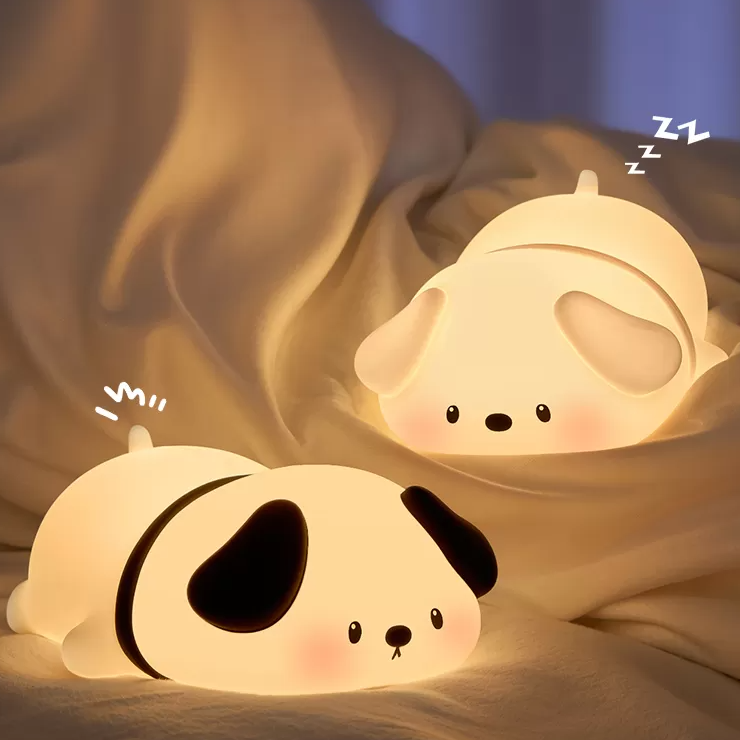
A nursery night light occupies a unique position in the baby product category. Unlike a stroller or car seat, it is not a safety-critical structural product. But unlike a wall decoration, it is placed directly in the baby's sleep environment—within reach, within sight, and potentially within grasp. Parents who would not hesitate to buy a cheap plastic toy for a toddler apply a completely different standard to products that sit beside the crib during sleep.
The material concerns that drive 2026 nursery lighting procurement:
Odor and chemical off-gassing. Low-quality plastics and silicone compounds can emit detectable odors, particularly when warm. In a nursery where a baby spends 10–14 hours per day, even low-level chemical off-gassing is a concern that parents notice and report. A food-grade silicone lamp made with properly cured, BPA-free silicone should be essentially odorless—a specification that is easy to claim but requires material test documentation to verify.
Tactile safety. Babies and toddlers explore objects by touch and mouth. A night light with sharp edges, hard plastic protrusions, or surface finishes that chip or peel creates a physical safety risk. Soft silicone construction eliminates hard edges, provides a comforting tactile experience, and is durable enough to withstand the handling that nursery products receive.
Heat generation. A night light that runs warm to the touch is a concern in a nursery environment where it may be placed near bedding or within reach of a child. Low-heat LED design is not just a comfort feature—it is a safety specification that reduces the risk of thermal contact injury and fire hazard in the sleep environment.
Documentation for retail and distribution. Retailers and distributors who stock baby products without adequate material safety documentation are exposed to compliance risk that can result in product recalls, retailer delisting, and legal liability. BPA-free declarations, food-grade silicone material test reports, CE/FCC compliance documents, and RoHS certification are the baseline documentation package that serious baby product buyers should require from every supplier.
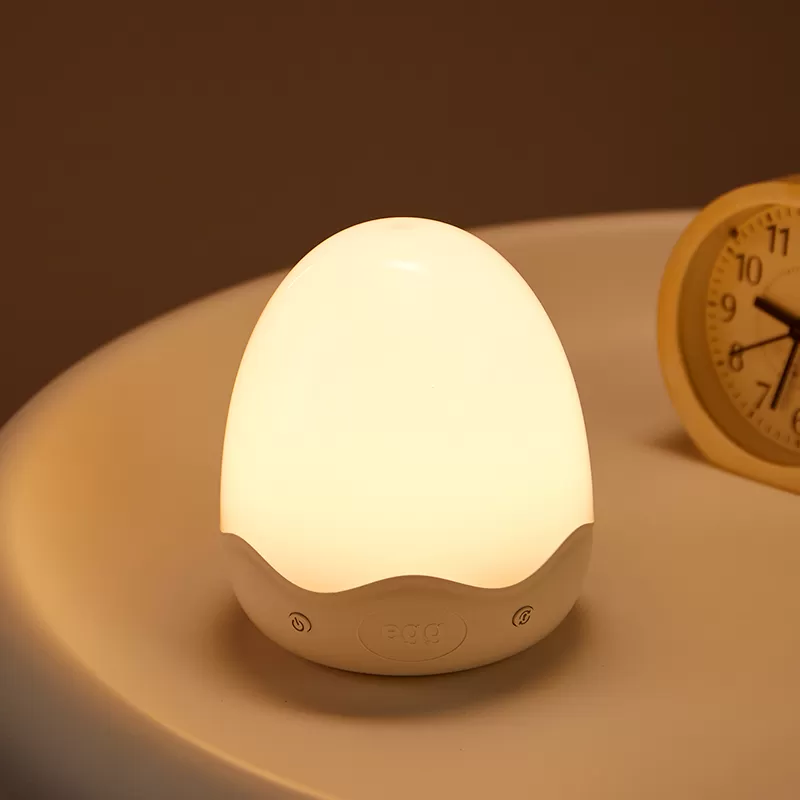
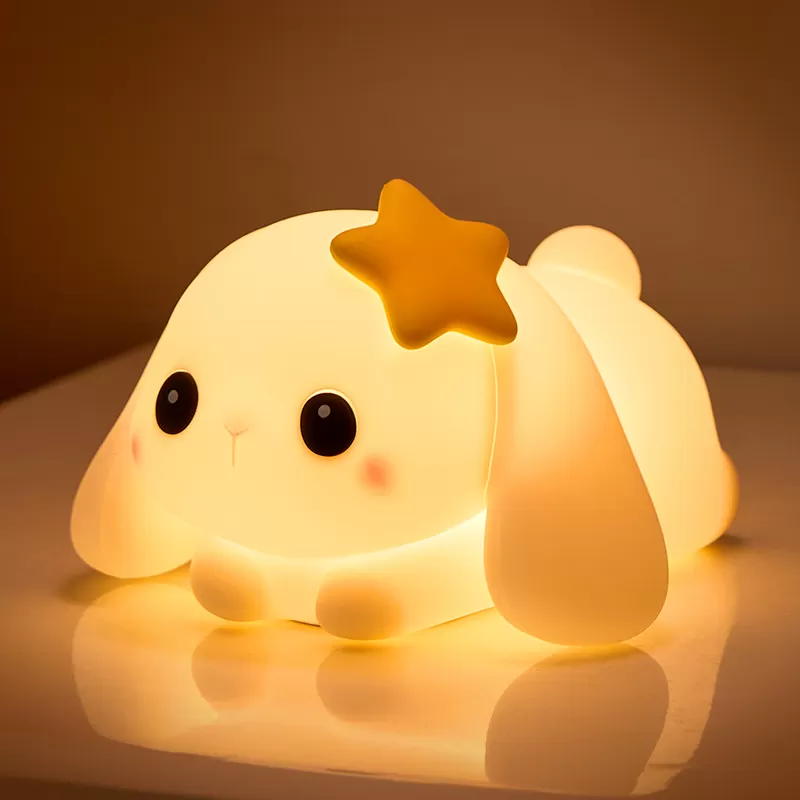
OneFire describes its silicone night lights as made with flexible, child-safe silicone, highlighting BPA-free food-grade silicone, low-heat LED lighting, cute designs, rechargeable functionality, tap control, and suitability for nurseries and kids' rooms—a specification profile that directly addresses each of these material concerns.
The design logic of a well-specified nursery night light operates on two levels simultaneously: physical comfort through material and thermal properties, and sensory comfort through light quality.
The food-grade silicone advantage:
Food-grade silicone is a platinum-cured silicone compound that meets the material purity standards required for direct food contact—a standard that is significantly more stringent than general-purpose silicone. It is free from BPA, phthalates, and other plasticizers that are restricted in children's product regulations. It is soft and flexible, providing a comforting tactile experience that reduces the sensory stress of hard plastic surfaces. It is thermally stable, maintaining its properties across the temperature range encountered in normal nursery use. And it is easy to clean—a practical advantage for nursery products that encounter milk, formula, and the full range of baby-related substances.
The low-blue-light design principle:
Sleep research consistently identifies light spectrum as a significant factor in sleep quality, particularly for children whose circadian systems are still developing. Blue-rich light—the spectrum produced by cool-white LEDs, screens, and most overhead lighting—suppresses melatonin production and signals the brain to remain alert. For a nursery night light used during evening feeding, diaper changes, and bedtime routines, this is precisely the wrong light quality.
Warm, amber, or red-toned light contains significantly less blue-wavelength energy and produces a much weaker melatonin-suppression signal. A blue light-free baby light with warm or amber modes allows parents to see clearly during nighttime care without sending the baby's circadian system a "stay awake" signal. Dimmable brightness control adds a further layer of flexibility—parents can use a slightly brighter setting for diaper changes and reduce to the lowest setting for settling the baby back to sleep.
OneFire's silicone night lights include warm LED lighting, adjustable brightness, tap control, and portable rechargeable design—a feature combination that supports the low-sensory-stress nursery environment that sleep-focused parents and pediatric sleep consultants recommend.
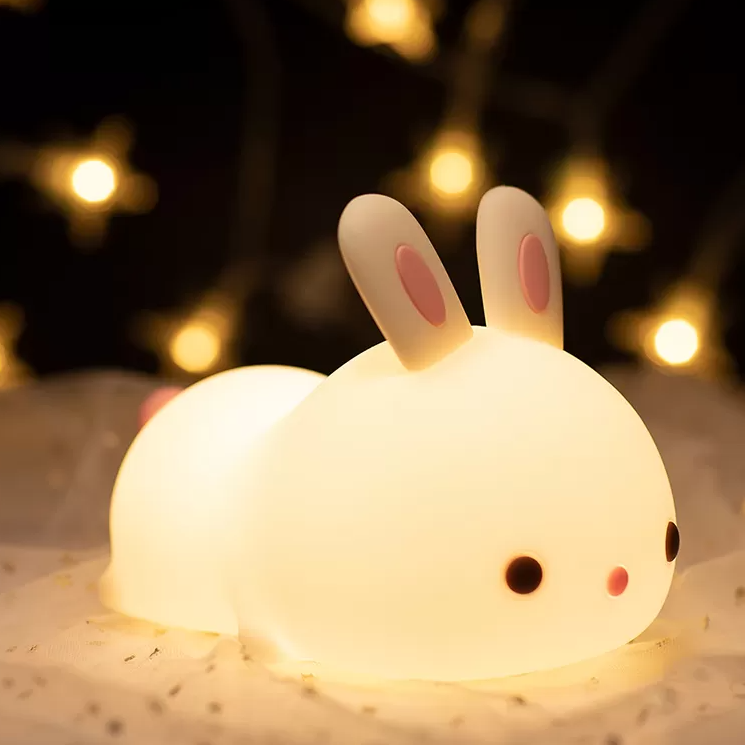
A reliable silicone night light factory provides more than attractive product samples. B2B buyers should request a complete specification and documentation package that covers material, light quality, battery safety, durability, and compliance before placing a bulk order.
Complete Buyer Specification Checklist
| Specification | What to Confirm | Why It Matters |
|---|---|---|
| Material | BPA-free food-grade silicone with test report | Supports baby-safe positioning and retail compliance |
| Surface feel | Soft-touch, smooth, low-odor after curing | Reduces sensory stress; prevents parent complaints |
| Light color | Warm white / amber / red / low-blue-light mode | Better suited for bedtime and nighttime care |
| Brightness control | Stepless dimming or multi-level brightness | Prevents overstimulation; supports different use scenarios |
| Heat output | Low-heat LED design; confirm surface temperature | Safety requirement for nursery and bedside use |
| Battery | Rechargeable; confirm capacity, runtime, and protection circuit | Reduces safety risk and after-sales complaints |
| Charging | Type-C or Micro-USB; confirm charging time | Supports parent convenience and product reliability |
| Controls | Tap control, button, timer | Improves usability during nighttime care |
| Cleaning | Wipe-clean silicone surface | Supports nursery and hotel maintenance workflow |
| Compliance | CE, FCC, RoHS, BSCI, children's product chemical tests | Required for global retail and distribution |
| Customization | Shape, logo, color, packaging, lighting functions | Supports private label and baby-brand differentiation |
| Packaging | Retail box, gift box, age warning, instruction card, barcode | Supports retail shelf and e-commerce listing requirements |
OneFire provides OEM/ODM services for global retailers, gift brands, and lighting distributors, with customization options including product shape, logo printing, packaging design, and lighting functions, supported by ISO, BSCI, CE, and FCC compliance documentation and scalable production from pilot runs to mass production.
The compliance landscape for children's products is tightening across all major markets in 2026, and buyers who do not proactively request documentation are exposed to risks that can materialize at customs, at retail audit, or in the event of a consumer complaint.
EU market: The new Toy Safety Regulation (EU) 2025/2509, adopted November 2025, strengthens chemical risk controls for products used by children, including tighter restrictions on harmful substances and enhanced compliance visibility requirements. While a nursery night light may not be classified as a toy in all EU member states, buyers selling into EU retail channels should confirm the applicable product category, required conformity assessment procedure, and whether Digital Product Passport readiness is relevant for their distribution channel.
U.S. market: Children's products sold in the U.S. are subject to CPSC regulations including CPSIA requirements for third-party testing and Children's Product Certificates (CPC). For electronic products, FCC authorization is required. For food-grade silicone material claims, buyers may request a letter of guaranty or material compliance declaration from the manufacturer confirming that the silicone compound meets the applicable FDA food-contact material standards.
Global baseline documentation package:
Food-grade silicone material test report (confirming BPA-free, phthalate-free, and relevant chemical compliance)
RoHS compliance declaration or test report
CE Declaration of Conformity with supporting test reports (LVD, EMC, RoHS)
FCC authorization documentation for U.S. market
Battery safety documentation: UN38.3 test report for lithium batteries, battery protection circuit test
Age grading and warning label review
Packaging and instruction manual review for target market language and safety warnings
OneFire supports CE, FCC, RoHS, ISO, and BSCI compliance documentation, with certification assistance available for market-specific requirements—a supplier capability that reduces the documentation burden on buyers managing multi-market distribution programs.
Nursery and Baby-Room Lighting The primary use case: soft warm light for nighttime feeding, diaper changes, and soothing routines. The combination of food-grade silicone construction, low-heat LED, warm dimmable light, and tap control addresses every practical requirement of this scenario.
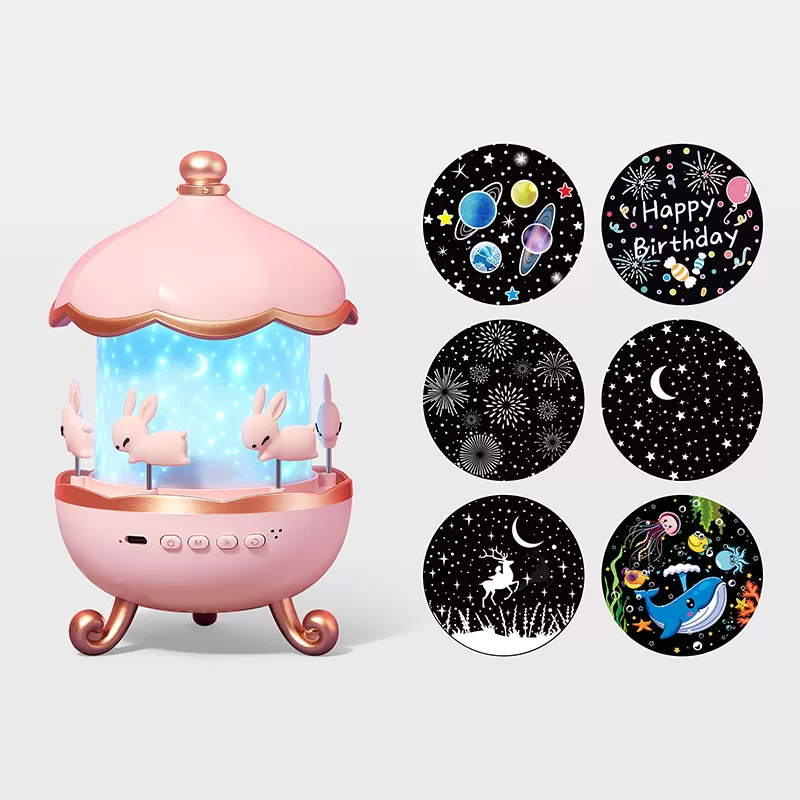
Toddler Bedtime Companion Cute silicone shapes—animals, clouds, stars, cartoon characters—help reduce fear of darkness and create emotional comfort for toddlers transitioning to independent sleep. The soft tactile quality of silicone makes the lamp a comforting object to hold or keep nearby, not just a light source.
Baby Shower and Newborn Gift Sets A food-grade silicone night light in a well-designed gift box is a high-perceived-value gift SKU that photographs well, ships safely, and delivers genuine utility to new parents. OneFire explicitly positions silicone night lights for baby shower gifts, newborn gifts, and birthday gifts alongside nursery and retail use cases.
Hotel Family Rooms and Serviced Apartments A soft nursery night light offered as a family-friendly room amenity communicates that the property has considered the needs of traveling parents with young children. The easy-clean silicone surface and rechargeable design support the housekeeping workflow without adding maintenance complexity.
Retail Baby Chains and E-Commerce Brands Silicone night lights are a strong repeat-demand category in baby retail—parents who have a positive experience recommend the product to other parents, and the product is frequently repurchased as a gift. For e-commerce sellers, the combination of cute design, safety positioning, and gift-ready packaging supports strong listing conversion and review quality.
Define the sales channel: baby store, Amazon, supermarket, hotel, gift set, or private label—each has different packaging, compliance, and MOQ requirements
Choose the lamp shape: animal, cloud, star, cartoon, minimalist, or custom mold (custom shapes require 1,000 units per design MOQ)
Specify material: BPA-free food-grade silicone with supporting test documentation
Select lighting: warm / amber / red / dimmable / low-blue-light target—confirm color temperature and dimming range
Confirm power: rechargeable battery with Type-C charging, confirmed runtime, and battery protection circuit
Lock packaging: retail box or gift box with age warning, instruction card, barcode, and FBA label if applicable
Test the sample: odor, softness, brightness, heat output, charging function, drop resistance, and tap/switch function before approving bulk production
Lower breakage rate from soft silicone construction reduces replacement frequency and the associated customer service cost compared with hard plastic alternatives that crack or chip when dropped.
Rechargeable design eliminates the ongoing cost and inconvenience of disposable battery replacement—a practical advantage for parents and a positive review driver for retail sellers.
Easy-clean surface supports nursery and hotel maintenance without requiring special cleaning products or procedures.
Strong compliance documentation reduces retail rejection, customs delay, and recall risk—protecting the buyer's investment in inventory and supplier relationships.
Gift positioning supports premium pricing and strong review quality, improving the unit economics of the product line relative to commodity baby lighting alternatives.
A successful nursery night light in 2026 must deliver on three dimensions simultaneously: material safety (food-grade silicone, BPA-free, low-heat), light quality (warm, dimmable, low-blue-light), and compliance documentation (CE, FCC, RoHS, material test reports). Buyers who specify all three build product lines that parents trust, retailers approve, and regulators accept—reducing the compliance risk and after-sales burden that undermine the economics of baby product programs built on cheaper, undocumented alternatives.
OneFire's silicone night light range supports OEM/ODM customization, wholesale nursery essentials supply, child-safe silicone positioning, and scalable manufacturing for global retailers and baby brands—with compliance documentation support for CE, FCC, RoHS, ISO, and BSCI requirements.
Visit the OneFire Silicone Night Light product page to request a recommended nursery night light configuration and quotation.
Please submit the following details for an accurate recommendation:
Work condition: Nursery, baby store, hotel family room, gift set, Amazon or e-commerce, supermarket, private label
Quantity: Sample order, trial order, bulk order, or annual procurement forecast
Size/spec: Product shape, silicone material requirement (food-grade/BPA-free documentation), light color mode, dimming type, battery capacity and runtime, charging type, packaging format
Target metrics: Food-grade silicone documentation, low-blue-light target, heat control specification, safety certification requirements, defect-rate target, target retail price
Current problems: Unsafe material concerns, odor complaints, harsh or overly bright light, weak battery life, missing compliance documents, high return rate, poor gift packaging presentation
1. What is a nursery night light?
A soft, low-brightness lamp designed for use in baby rooms and children's rooms, providing gentle illumination for nighttime feeding, diaper changes, comfort lighting, and bedtime routines. Quality nursery night lights use food-grade silicone construction, low-heat LED lighting, and warm or amber light modes to minimize sensory stress and support healthy sleep environments.
2. Silicone nursery night light vs. hard plastic night light: which is better?
For nursery use, silicone is the stronger choice. It is soft-touch and lightweight, reducing the risk of injury if dropped or handled by a child. It is BPA-free and low-odor when made from food-grade compounds. It is easy to clean and durable across the handling that nursery products receive. Hard plastic lights may be lower cost, but they offer less tactile comfort, higher breakage risk, and more limited material safety documentation options.
3. What is the ROI of wholesale nursery night lights?
ROI comes from strong and consistent gift demand (baby shower, newborn, birthday), high perceived value from food-grade silicone and warm light positioning, private-label differentiation opportunities, lower breakage and return rates from durable silicone construction, and fewer after-sales complaints when material, battery, and lighting quality are properly tested and documented.
4. Do buyers need custom tooling to source from a silicone night light factory?
Not always. Buyers can start with stock silicone night light models and customize logo, color, or packaging without new tooling—the fastest and lowest-cost path to market. For fully custom shapes or designs, OneFire requires a minimum of 1,000 units per design. Full ODM projects with new mold development have longer lead times and tooling investment requirements that should be confirmed with the supplier at the concept stage.
5. What parameters are needed for correct selection and quotation?
Target market and sales channel, age range of end user, order quantity, shape preference (stock or custom), silicone material requirements (food-grade/BPA-free documentation), light color mode (warm/amber/red), dimming and timer functions, battery capacity and runtime target, charging method, packaging format, certification requirements (CE/FCC/RoHS/BSCI), and current issues such as odor complaints, harsh brightness, weak battery, or missing compliance documentation.
 English
 한국어
한국어 français
 Deutsch
 Español
 italiano
 русский
 português
 العربية
 Türkçe
 Polska