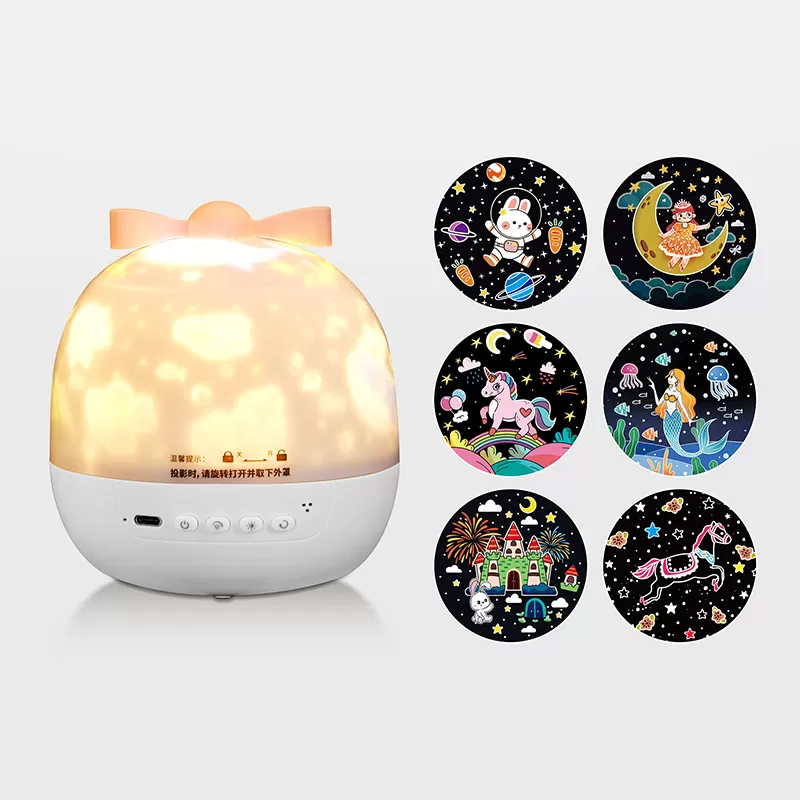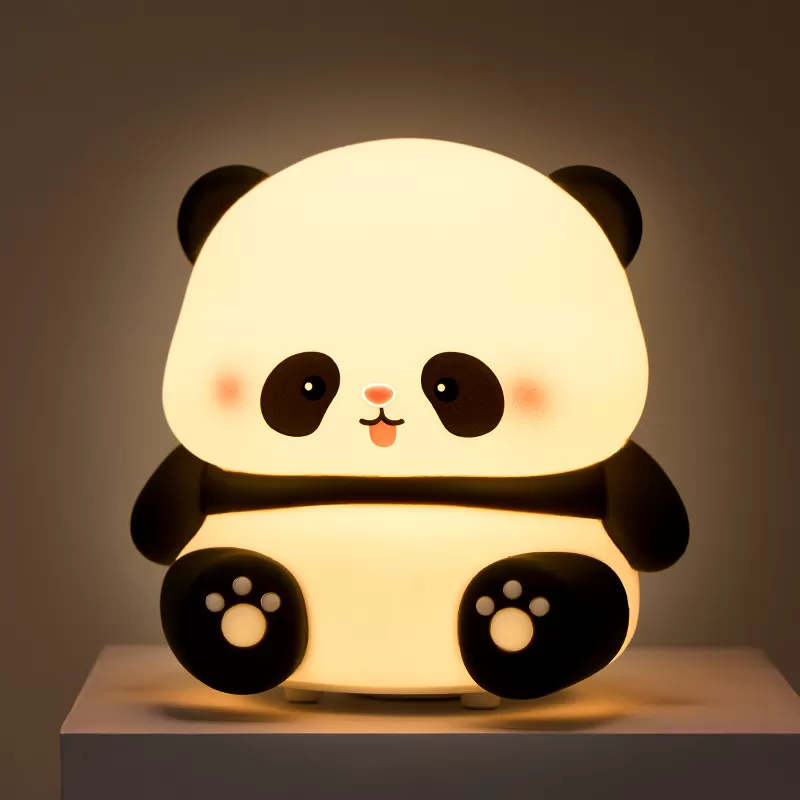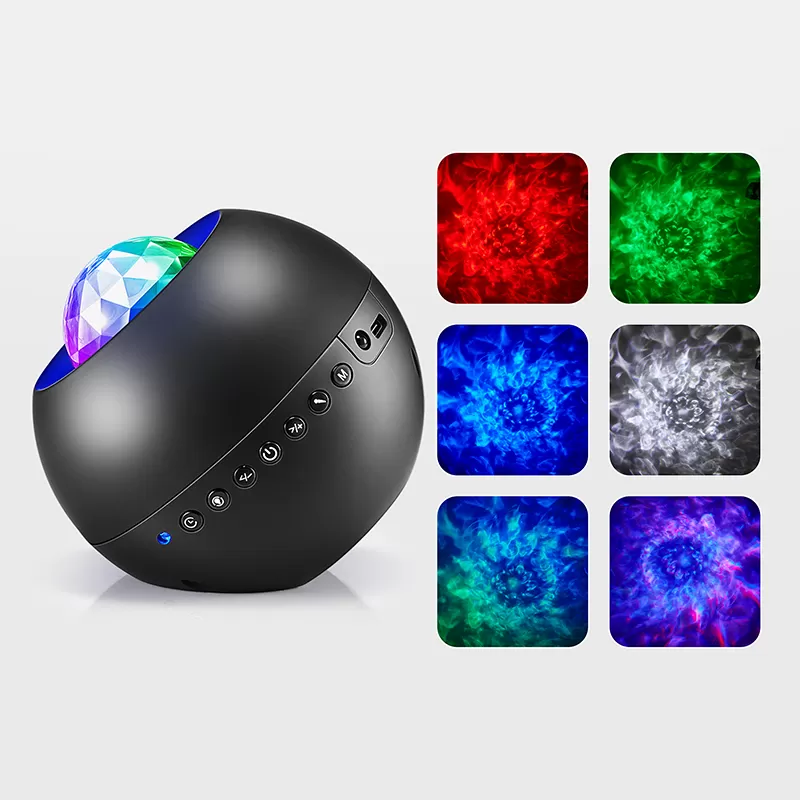
In 2026, the demand for customized projector night lights is accelerating across social-commerce brands, gift retailers, Amazon private-label sellers, and IP licensors—but the gap between an impressive prototype and a consistent bulk shipment remains one of the most costly sourcing risks in the category. A custom light projector that looks stunning in the approved sample can arrive in bulk with shifted film colors, blurred projection edges, inconsistent LED brightness, shortened battery runtime, or non-functional remote controls—triggering return waves, negative reviews, and reorder delays that can derail an entire product launch.
For B2B buyers sourcing from a projector night light manufacturer, the critical question is not "Can you make a good sample?"—every supplier can make a good sample. The question is "Can you make 5,000 units that match the approved sample, with documented QC at every stage, compliant safety certifications, and a confirmed lead time?" OneFire positions itself as a projector night light manufacturer in China offering kids projector lights, aurora projectors, galaxy projectors, and custom light projectors for global retail and distribution channels, with OEM/ODM support, multi-stage quality control, and international compliance documentation. The sections below walk through the controlled process that separates reliable custom projector production from the sample-bulk mismatch scenarios that cost buyers time, money, and market position.

The fundamental problem with custom projector sourcing is that the variables that determine visual quality—film color accuracy, LED calibration, optical alignment, rotation mechanism stability—are all sensitive to production process variation. A prototype is assembled by skilled technicians under close supervision. Bulk production runs through assembly lines where small deviations in component selection, alignment procedure, or calibration step can compound across thousands of units.
The most common sample-to-bulk failure modes in custom projector production:
Film color drift. Custom projection films are produced from digital artwork files. If the film production process does not use a controlled color reference—Pantone matching, RGB target values, or a physical color standard—the printed film can shift in hue, saturation, or contrast between the prototype batch and bulk production. A galaxy projection that appears deep blue-purple in the sample may arrive in bulk with a greenish or washed-out tone.
Projection sharpness degradation. Optical alignment between the LED source, lens, and projection film is set during assembly. If the alignment procedure is not documented and enforced as a production standard, the focus point can shift—producing blurry edges, distorted patterns, or uneven brightness distribution across the projected image.
LED color temperature variation. LED components from different production batches can have measurable color temperature differences even within the same nominal specification. Without batch-level LED calibration and binning, a warm-white aurora projection in the sample may appear cooler or more yellow in bulk units.
Battery runtime shortfall. Battery capacity claims are easy to make and difficult to verify without systematic testing. A projector rated for 8 hours of runtime may deliver 5–6 hours in practice if the battery cells are undersized, the power management circuit is inefficient, or the charging circuit does not fully charge the battery before the runtime test is conducted.
Function inconsistency. Remote controls, Bluetooth speaker pairing, APP connectivity, and timer functions involve electronic components and firmware that can behave inconsistently if not tested under realistic use conditions across a representative sample of production units.
OneFire's production process controls optical alignment, rotation mechanisms, and sound module integration, with inspection stages covering functional testing, light-effect verification, sound checks, safety evaluation, outgoing inspection, and packaging verification—a structured approach that addresses each of these failure modes systematically.
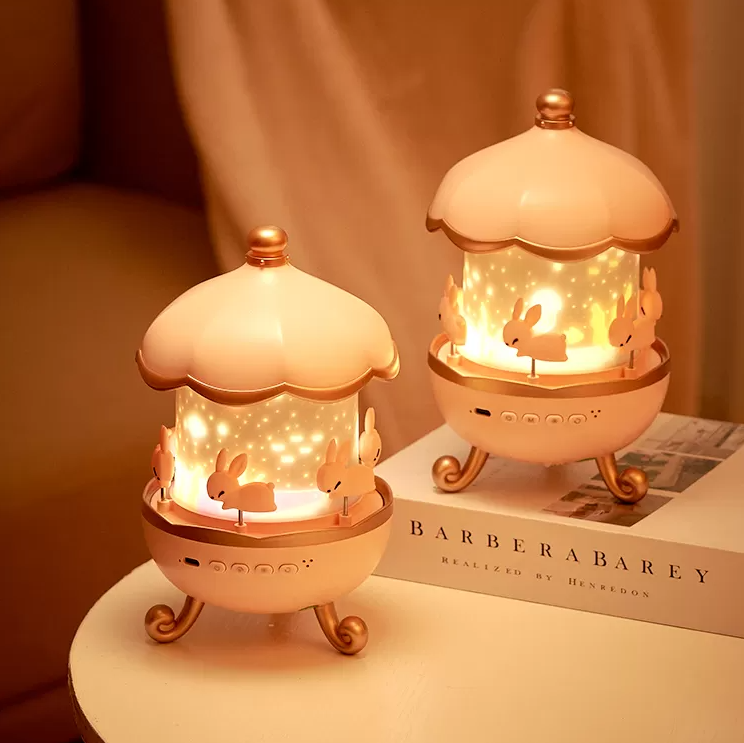
Understanding the technical workflow of custom projector production helps buyers ask the right questions at each stage and identify where process gaps are most likely to create bulk consistency problems.
Stage 1 — LED Source Selection and Binning The LED determines the brightness, color temperature, heat output, and power consumption of the projector. For custom projects, the LED specification should be locked at the prototype stage and documented with a component part number and supplier batch reference. Bulk production should use LEDs from the same bin range—a measurable color temperature and luminous flux range—to ensure visual consistency across units.
Stage 2 — Custom Projection Film Production The projection film is the most brand-sensitive component in a custom projector. It carries the IP artwork, brand pattern, or themed scene that differentiates the product. Film production requires a controlled color workflow: the digital artwork file should be prepared with a specific color profile, the film printing process should be calibrated against a physical color standard, and a film sample should be approved against the golden sample projection before bulk film production begins.
Stage 3 — Lens and Optical Alignment The lens determines the focus quality, projection distance, coverage area, and edge sharpness of the projected image. Optical alignment—the precise positioning of the LED, lens, and film relative to each other—must be documented as a production procedure with measurable tolerances. A golden sample with confirmed projection distance and focus setting provides the reference standard for bulk assembly verification.
Stage 4 — Rotation and Dynamic Effect Mechanism For dynamic nebula, galaxy, and aurora effects, the rotation mechanism determines the motion quality of the projection. Motor speed, rotation smoothness, and the interaction between multiple rotating elements must be consistent across units. Variation in motor speed produces visible differences in the "feel" of the projection—a fast, jerky rotation versus a slow, smooth flow—that customers notice and comment on in reviews.
Stage 5 — Control System Integration and Testing Remote control, Bluetooth speaker, APP connectivity, timer, and dimming functions involve both hardware components and firmware. Each function should be tested individually and in combination on a sample of production units before bulk shipment. The golden sample should include a confirmed firmware version that is locked for the production run.
The golden sample principle: before bulk production begins, buyers should request a golden sample that locks all of the above variables—approved film, confirmed LED color and brightness, verified projection distance and focus, confirmed battery runtime, tested control functions, and final packaging. This golden sample becomes the physical reference standard against which bulk production is inspected.
A professional projector night light manufacturer should document quality checkpoints from incoming materials through final shipment. The following checklist gives buyers a framework for evaluating supplier QC capability and structuring the inspection requirements in the purchase order.
Complete QC Checkpoint Framework
| QC Stage | What to Check | Acceptance Standard |
|---|---|---|
| Artwork approval | Film file, Pantone/RGB reference, projection size | Approved by buyer before film production |
| Incoming LED inspection | Color temperature bin, luminous flux, batch reference | Within specified bin range |
| Film production check | Color accuracy vs. reference, sharpness, defect inspection | Match golden sample film |
| Prototype sample | Projection clarity, brightness, motion, all controls | Buyer-approved golden sample |
| LED calibration | Color consistency across units, brightness range, heat rise | Within ±200K color temperature tolerance |
| Optical alignment | Focus, distortion, projection angle, coverage area | Match golden sample projection |
| Battery test | Runtime at standard brightness, charging time, Type-C stability | ≥ specified runtime; full charge within specified time |
| Function test | Remote, APP, Bluetooth pairing, timer, speaker, dimming | 100% pass on all functions |
| Safety check | Electrical safety, battery protection circuit, optical safety | Compliant with applicable standard |
| Packaging test | Drop test, accessory completeness, FBA label, manual | Pass drop test; all accessories present |
| Final AQL inspection | Statistical sampling against golden sample | AQL 2.5 or buyer-specified level |
OneFire's multi-stage inspection process covers materials, assembly, performance, safety, final outgoing inspection, packaging verification, and transportation readiness—a documented QC structure that buyers can reference when setting inspection requirements.
For global distribution, compliance documentation must be confirmed and obtained before bulk production begins—not after the goods are ready to ship. Retroactive compliance testing on completed bulk goods creates delays, potential rework, and in some cases, shipment holds at customs.
Standard compliance documents for custom projector night lights:
CE marking (EU market): covers electromagnetic compatibility (EMC), low voltage directive (LVD), and RoHS compliance. Requires test reports from an accredited laboratory and a Declaration of Conformity signed by the manufacturer or EU authorized representative.
FCC authorization (U.S. market): required for electronic devices that emit radio frequency energy, including Bluetooth-enabled projectors. FCC authorization can be obtained through certification (for intentional radiators) or Supplier's Declaration of Conformity (SDoC) depending on the device type.
RoHS compliance: restricts hazardous substances in electrical and electronic equipment. Requires material declarations and test reports confirming that restricted substances are below threshold levels.
Battery safety documentation: rechargeable lithium battery products require UN38.3 test reports for air transport, MSDS/SDS documentation, and battery protection circuit testing. These documents are required by most freight forwarders and airlines for lithium battery shipments.
Laser safety (if applicable): if the custom projector uses a laser light source rather than LED, U.S. regulations under 21 CFR Part 1040 apply, including classification, labeling, and reporting requirements. Buyers should confirm whether the product uses LED or laser, and if laser, confirm the classification and applicable compliance obligations before finalizing the design.
OneFire supports CE, FCC, RoHS, and other international certification needs, with certification assistance available upon request for market-specific documentation requirements.
The compliance planning principle: build the compliance document list into the project brief at the concept stage, confirm which documents the manufacturer can provide versus which require third-party laboratory testing, and set the compliance completion milestone before the bulk production start date—not after.
Step 1 — Concept confirmation. Define target market, sales channel, projection theme, price point, control features, and compliance requirements. Confirm MOQ: OneFire requires 1,000 units per design for custom light projectors.
Step 2 — Artwork and film prototyping. Submit digital artwork file with color profile and Pantone/RGB references. Receive film sample for color approval before full film production. Confirm projection distance, coverage area, and image sharpness against the artwork intent.
Step 3 — Functional prototype. Receive a working prototype with approved film, confirmed LED specification, tested battery runtime, and all control functions operational. Test under realistic use conditions including camera performance for social commerce applications.
Step 4 — Golden sample approval. Lock all variables: film, LED, optics, battery, controls, packaging, manual, accessory list, and compliance labels. Sign off the golden sample as the bulk production reference standard.
Step 5 — Pilot run. Produce a small batch (typically 50–100 units) to verify assembly stability, QC consistency, and packaging completeness before committing to full bulk production.
Step 6 — Bulk production with batch QC. Implement batch-level checks for LED color binning, film image quality, function testing, battery runtime sampling, and packaging completeness. Document results against the golden sample standard.
Step 7 — Final shipment control. Confirm carton marks, FBA or retail labels, spare parts, compliance documents, and shipping method. Conduct AQL final inspection before release.
Stock products: 3–7 days standard; 8–15 days if stock is low
Custom light projectors (OEM): 25–35 days after deposit and confirmation of all customization details
Full ODM projects (new structure, optics, electronics, or APP): 6–12 months from concept approval to first shipment
Buyers should build compliance document lead time into the project schedule—CE and FCC testing typically requires 2–4 weeks at an accredited laboratory and should run in parallel with prototype development, not after golden sample approval.
Fewer failed launches from sample-bulk mismatch. A controlled golden sample approval process with documented QC standards reduces the probability of receiving bulk goods that do not match the approved sample—the most costly outcome in custom projector sourcing.
Lower return rate from tested battery performance and verified function consistency. A projector that delivers its claimed runtime and has all functions working reliably generates fewer returns and better reviews than one that fails on either dimension.
Faster repeat orders from documented production standards. When the LED specification, film color reference, optical alignment procedure, and QC checkpoints are documented, repeat orders can be produced to the same standard without re-prototyping—reducing the lead time and cost of subsequent orders.
Better brand consistency across multiple SKUs and seasonal collections. A manufacturer with controlled production processes can maintain visual consistency across a product line—important for brands building a recognizable aesthetic across multiple projector themes.
In custom projector sourcing, the real challenge is not making one impressive prototype—it is making 1,000, 5,000, or 50,000 units that match the approved sample, arrive on time, and pass compliance inspection at the destination market. A professional projector night light manufacturer controls film color accuracy, LED calibration, optical alignment, battery testing, safety compliance documentation, packaging verification, and final AQL inspection from prototype to bulk shipment. OneFire supports custom light projector projects with OEM/ODM capability, stable production, multi-category projector expertise, structured quality assurance, and international compliance support for global retail partners.
Visit the OneFire Projector Light product page to request a custom projector configuration and quotation.
Please submit the following details for an accurate recommendation:
Work condition: Amazon FBA, TikTok Shop, retail chain, IP licensing, gift brand, kids' product, hotel or event project
Quantity: Prototype quantity, pilot run, first bulk order, or annual forecast
Size/spec: Projection theme and artwork, LED color and brightness, control method (remote/APP/touch), battery and runtime target, Bluetooth speaker (Y/N), timer, packaging format, compliance market
Target metrics: Color reproduction accuracy, projection clarity, battery life, compliance documents required (CE/FCC/RoHS/UN38.3), lead time, defect-rate target, target retail price
Current problems: Sample-bulk mismatch, delayed delivery, poor film color accuracy, blurry projection, weak battery life, missing CE/FCC/RoHS documents, high return rate, inconsistent bulk quality
1. What is a custom light projector?
A projector night light customized by projection pattern, appearance, color, logo, packaging, control functions, or electronic features for a specific brand, IP licensor, retailer, or sales channel. Custom projectors require prototype approval, film artwork validation, LED calibration, and structured QC to ensure bulk production matches the approved sample.
2. Custom light projector vs. stock projector night light: which is better?
A stock projector is faster to launch (3–15 days), lower risk, and suitable for market testing. A custom projector is better for brand differentiation, IP designs, gift collections, and premium retail positioning—but requires prototype approval, QC planning, compliance documentation, and a minimum of 1,000 units per design with a 25–35 day production lead time. Most buyers start with stock products to validate the market and move to custom production after confirming demand.
3. What is the ROI of custom projector production?
ROI comes from stronger brand differentiation (fewer copycat listings), higher perceived value (custom IP or brand artwork), better social-commerce conversion (unique visual effect), improved customer loyalty (consistent quality across repeat purchases), and lower long-term sourcing cost (documented production standards reduce re-prototyping cost on repeat orders).
4. Do custom projector orders require new tooling?
Not always. Buyers can customize packaging, logo, color, and projection film on existing product structures without new tooling—this is the fastest and lowest-cost customization path. Full ODM projects involving new housing structure, optical design, electronics, or APP development require tooling investment and a 6–12 month development timeline. Confirm the customization scope with the manufacturer before committing to a development budget.
5. What parameters are needed for selection and quotation?
Target market and sales channel, order quantity, projection pattern and artwork file, LED color temperature and brightness target, control method (remote/APP/touch), battery capacity and runtime requirement, Bluetooth speaker requirement, timer and dimming functions, packaging style and FBA/retail requirements, compliance market (CE/FCC/RoHS/UN38.3), target retail price, and current sourcing problem such as sample-bulk mismatch, compliance gaps, or delivery delays.
 English
 한국어
한국어 français
 Deutsch
 Español
 italiano
 русский
 português
 العربية
 Türkçe
 Polska