In 2026, sleep quality has become one of the most frequently cited factors in hotel guest reviews—and one of the most actionable wellness investments available to hospitality buyers. Business travelers arriving across time zones, families managing children's bedtime routines, and wellness-focused guests seeking genuine rest are all looking for the same thing: a room environment that helps them wind down, not one that keeps them alert. The problem is that most hotel rooms are still lit with cool-white overhead fixtures and bright task lighting that feel clinical in the evening and actively work against the body's natural sleep preparation process.
A thoughtfully selected home led lamp with warm, low-brightness, circadian-friendly light modes addresses this gap directly. Research consistently identifies light timing, brightness, and spectrum as important factors in sleep quality—bright blue-rich light can suppress melatonin and delay circadian timing, while dim warm or amber light is significantly less disruptive to evening sleep preparation. For hotels, resorts, serviced apartments, and wellness brands, a portable warm LED lamp is not just a décor upgrade—it is a functional wellness amenity that can be packaged as part of a "Sleep Kit," positioned as a premium room feature, and sourced at scale through sleep aid light wholesale programs.
For buyers comparing led desk lamp china suppliers, Onefire offers portable LED lamps, silicone night lights, projector lights, and Bluetooth speaker lights with warm/white light modes, stepless dimming, Type-C rechargeable power, touch control, and auto-off timer functions—supported by OEM/ODM capability, private-label services, and factory-scale production for hotel, retail, and gift programs.
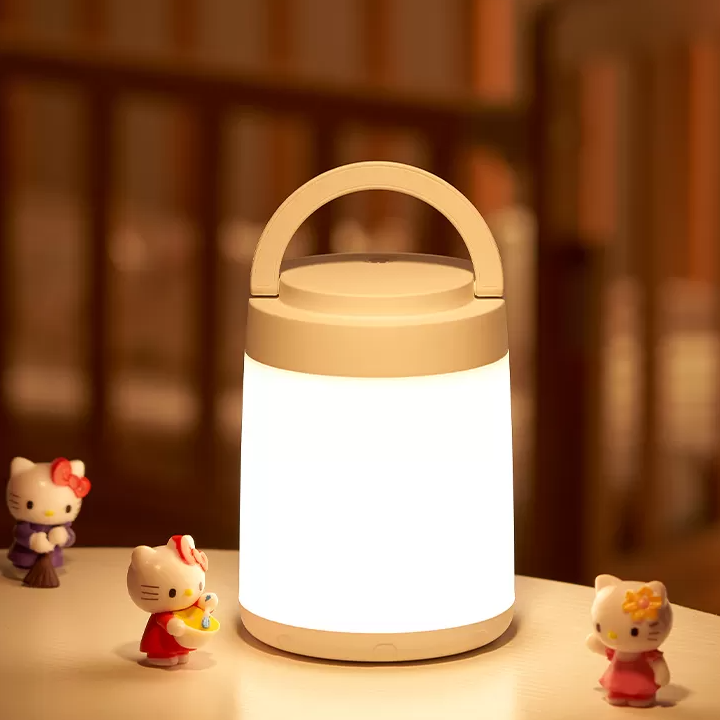
The hospitality industry's shift toward wellness amenities is not a trend—it is a response to measurable guest behavior. Guests who sleep well leave better reviews, return more frequently, and associate their positive experience with the property rather than attributing it to luck. Conversely, guests who sleep poorly in a hotel room often cite the room environment—lighting, noise, temperature—as contributing factors, even when the bed and linens are high quality.
The lighting problem in most hotel rooms is structural. Overhead fixtures and bedside task lamps are typically specified for daytime functionality: bright, cool-white light that makes the room look clean and spacious during check-in and housekeeping. In the evening, when guests are winding down, this same lighting creates a physiological mismatch—the body is receiving light signals that say "daytime" while the guest is trying to prepare for sleep.
The warm LED lamp solution is practical and cost-effective. A portable bedside lamp with warm or amber light modes, stepless dimming, and a 45-minute auto-off timer gives guests control over their evening light environment without requiring any electrical renovation. It can be placed on the bedside table as a standard room amenity, included in a Sleep Kit alongside a sleep mask and pillow spray, or offered as a premium room upgrade.
The 2026 buyer pain points this addresses:
Guests complaining about poor sleep quality in online reviews
Rooms that feel clinical or impersonal in the evening
Families needing safe, low-glare night lighting for children
Wellness properties seeking affordable, high-perceived-value amenities
Hotels wanting a differentiating Sleep Kit that photographs well and generates social media mentions
CDC/NIOSH guidance notes that blue light has the strongest impact on the circadian clock, while dim red light is less disruptive at night, and recommends dimming lights before sleep for people who have trouble falling asleep—a scientific basis that hotels can reference in their Sleep Kit messaging to add credibility to the amenity.
The mechanism by which warm, dim light supports sleep preparation is well-established in sleep science, and understanding it helps hospitality buyers make a more compelling case for the amenity investment.
The core principle is not that warm light forces sleep—it is that dim, warm, low-blue light is significantly less disruptive to the body's evening circadian signaling than bright, blue-rich light.
The human circadian system uses light as its primary environmental time cue. Specialized photoreceptors in the eye—particularly sensitive to short-wavelength blue light—send signals to the brain's circadian clock that regulate melatonin production and sleep timing. Bright, blue-rich light (such as cool-white LED overhead fixtures, phone screens, and laptop displays) suppresses melatonin production and signals the brain to remain alert. Dim, warm, amber-toned light contains far less blue-wavelength energy and produces a much weaker suppression signal—allowing the body's natural melatonin rise to proceed with less interference.
The practical implications for hotel room lighting:
A guest who spends their evening under bright cool-white room lighting before switching off the main light and trying to sleep is working against their own circadian system. A guest who switches to a warm, dim bedside lamp 30–60 minutes before sleep is creating a light environment that supports rather than disrupts the body's natural sleep preparation process.
Onefire's portable table lamp features are directly aligned with this use case: warm and white light modes allow guests to choose the appropriate light for their activity (warm for relaxation, white for reading or task use); stepless brightness adjustment allows fine-tuning to personal comfort; touch control is intuitive for guests unfamiliar with the product; Type-C rechargeable power eliminates cord clutter; and the 45-minute auto-off timer prevents the lamp from remaining on after the guest falls asleep—avoiding unnecessary light exposure during sleep and reducing battery consumption.
For nursery night light for hotels applications—family rooms where parents need to check on children without switching on overhead lighting—a soft warm or red-mode night light provides the necessary visibility with minimal circadian disruption for both parent and child.
Hotel and wholesale buyers evaluating warm LED lamps for guest-room or Sleep Kit use should assess the product against guest comfort, safety, runtime, branding capability, and housekeeping practicality—not only appearance and unit price.
Complete Buyer Specification Checklist
| Specification | What to Confirm | Why It Matters |
|---|---|---|
| Light color modes | Warm white, amber, red, or tunable warm/white | Supports evening relaxation and low-glare night use |
| Brightness control | Stepless dimming or multi-level dimming | Allows guests to choose comfortable intensity |
| Timer function | 30/45/60-minute auto-off | Prevents lights staying on all night; reduces battery waste |
| Power supply | Type-C rechargeable; battery capacity and runtime | Eliminates cord clutter; supports portability |
| Charging time | Confirm full-charge duration | Supports housekeeping recharge workflow |
| Safety | Low heat output, stable base, child-safe materials | Essential for family rooms and nursery use |
| Controls | Touch switch, tap control, simple button | Improves guest usability without instruction |
| Housing material | Silicone, ABS, or mixed material | Affects durability, cleanability, and aesthetic |
| Cleaning | Easy-to-wipe surface, durable finish | Supports hotel turnover efficiency |
| Packaging | Sleep kit box, private label, instruction card | Strengthens brand presentation and gift value |
| Compliance | CE, FCC, RoHS, BSCI, or market-specific documentation | Supports global hotel and retail sourcing |
| OEM/ODM | Custom color, logo, packaging, light mode | Enables brand differentiation |
Onefire highlights factory scale, R&D capability, patents, strict quality control, certified materials, and OEM/ODM collaboration for global lighting gift buyers—a supplier profile that supports the documentation and customization requirements of hotel procurement programs.

Hotel Room Sleep Kit The highest-value application for a warm LED lamp in hospitality is as the centerpiece of a curated Sleep Kit. A Sleep Kit typically includes a warm LED lamp, sleep mask, pillow spray, earplugs, and a bedtime card explaining the science of warm light and sleep preparation. Positioned on the bedside table at turndown, it communicates that the property has invested in the guest's sleep quality—a detail that generates disproportionate review mentions relative to its cost.
Family Rooms and Nursery-Style Night Lighting Parents traveling with young children need a night light that provides enough visibility to check on a child without waking them or disrupting their own sleep. A soft silicone night light in warm or red mode—low heat, stable base, child-safe materials—serves this function without the harsh brightness of a switched-on overhead fixture. For hotels marketing family-friendly rooms, this is a practical amenity that addresses a real pain point.
Business Traveler Rooms Business travelers arriving late after screen-heavy days are among the guests most likely to experience circadian disruption. A warm, dimmable bedside lamp that they can switch to after closing their laptop creates a simple, low-friction transition to a lower-stimulation evening environment. The portability of a rechargeable lamp also means it can be moved to wherever the guest is most comfortable—desk, bedside, or bathroom counter.
Resort and Wellness Suites Wellness-positioned properties can integrate warm LED lamps into a broader circadian-friendly room design alongside blackout curtains, quiet HVAC, and calming décor. The lamp becomes part of a coherent wellness narrative rather than a standalone amenity—supporting the property's positioning and justifying a premium room rate.
Retail and Gift Channels For retailers and gift buyers, Onefire's LED light gift category—including silicone night lights, projector lights, portable lamps, and Bluetooth speaker lights—covers the wellness gift, baby gift, travel accessory, and home relaxation segments. The combination of warm light functionality, attractive design, and gift-ready packaging makes these products suitable for both direct retail and corporate gift programs.
Step 1 — Define the room type and use case. Standard room Sleep Kit, family room night light, business traveler bedside lamp, wellness suite amenity, or gift shop SKU. Each use case has different requirements for light mode, brightness range, runtime, and packaging.
Step 2 — Choose the light mode configuration. Warm white (2700–3000K) for bedtime reading and relaxation; amber or red mode for night navigation with minimal circadian disruption; white mode for daytime task use. A dual warm/white mode lamp covers both evening relaxation and daytime functionality from a single product.
Step 3 — Confirm power design and runtime. Type-C rechargeable for portability and cord-free bedside placement. Confirm battery capacity and runtime at the typical brightness setting used by guests—a lamp that runs out of charge mid-stay creates a negative experience. Confirm charging time to ensure housekeeping can recharge between stays.
Step 4 — Specify the timer function. A 45-minute auto-off timer is the standard recommendation for Sleep Kit use—long enough for a guest to fall asleep, short enough to avoid unnecessary overnight battery drain. Confirm whether the timer is user-adjustable or fixed.
Step 5 — Plan branding and packaging. For Sleep Kit use, custom packaging with the hotel logo, a sleep-science explanation card, and coordinated colors creates a premium presentation that photographs well and reinforces the wellness positioning. Onefire's OEM/ODM capability supports custom color, logo, packaging, and instruction card design.
Step 6 — Pilot and measure. Deploy the lamp in a pilot room category, track guest feedback through post-stay surveys and review monitoring, and measure the impact on sleep-related review mentions before scaling to the full property.
Low power consumption from LED technology reduces the energy cost per lamp compared with traditional incandescent or halogen bedside lighting—a minor but cumulative saving across a large room inventory.
Rechargeable design eliminates the ongoing cost of battery replacement and reduces the housekeeping labor associated with battery-powered amenities. A single Type-C charge supports multiple nights of use at typical guest brightness settings.
Timer function reduces overnight battery drain and eliminates the scenario where a lamp is found fully discharged at the start of a guest stay—a housekeeping quality control benefit.
Durable housing from quality silicone or ABS materials reduces replacement frequency from guest handling, cleaning, and normal wear. A lamp that lasts 2–3 years in hotel use has a lower total cost per guest night than a cheaper product replaced annually.
Positive review impact is the most significant ROI driver. A Sleep Kit that generates a specific mention in a guest review—"the warm lamp helped me sleep so much better"—contributes to the property's review score and booking conversion in a way that is difficult to quantify precisely but consistently observed by properties that invest in sleep-focused amenities.
In 2026, guest satisfaction is increasingly shaped by wellness details that address real physiological needs—and sleep quality is at the top of the list. A soft, warm home led lamp with stepless dimming, auto-off timer, and Type-C rechargeable power gives hotels a practical, cost-effective tool for creating a calmer evening environment, supporting circadian rhythm lighting principles, and delivering a Sleep Kit amenity that guests notice and remember. For buyers sourcing sleep aid light wholesale or led desk lamp china products for hotel, resort, retail, or gift programs, Onefire offers portable lamps, silicone night lights, OEM/ODM customization, private-label packaging, and factory-scale production with CE/FCC/RoHS compliance documentation.
Visit the Onefire LED Light Gift product page to request a recommended hotel sleep-light configuration and quotation.
Please submit the following details for an accurate recommendation:
Work condition: Hotel room, resort suite, family room, nursery, gift shop, wellness package, or retail channel
Quantity: Sample order, pilot hotel program, bulk order, or annual procurement plan
Size/spec: Lamp type, light color mode (warm/amber/red/white), dimming type, battery capacity and runtime, charging method, timer setting, housing material, packaging format
Target metrics: Guest satisfaction improvement, Sleep Kit perceived value, runtime per charge, safety compliance (CE/FCC/RoHS), private-label branding, target room amenity or retail cost
Current problems: Harsh room lighting, poor sleep-related guest reviews, weak wellness amenity offering, no family-room night light, low perceived room value, no differentiated Sleep Kit
1. What is a home LED lamp?
An LED lighting product designed for household or room use—including bedside lighting, desk lighting, night lighting, decorative lighting, or portable ambient lighting. In hospitality applications, warm-mode home LED lamps are used as bedside wellness amenities, Sleep Kit components, and family-room night lights.
2. Warm LED lamp vs. white desk lamp vs. projector night light: which is better for hotels?
Warm LED lamp: best for bedtime relaxation, Sleep Kit use, and circadian-friendly evening lighting—the primary recommendation for guest-room wellness programs.
White desk lamp: better for work, reading, and task lighting—suitable for business traveler rooms as a secondary lamp alongside a warm bedside option.
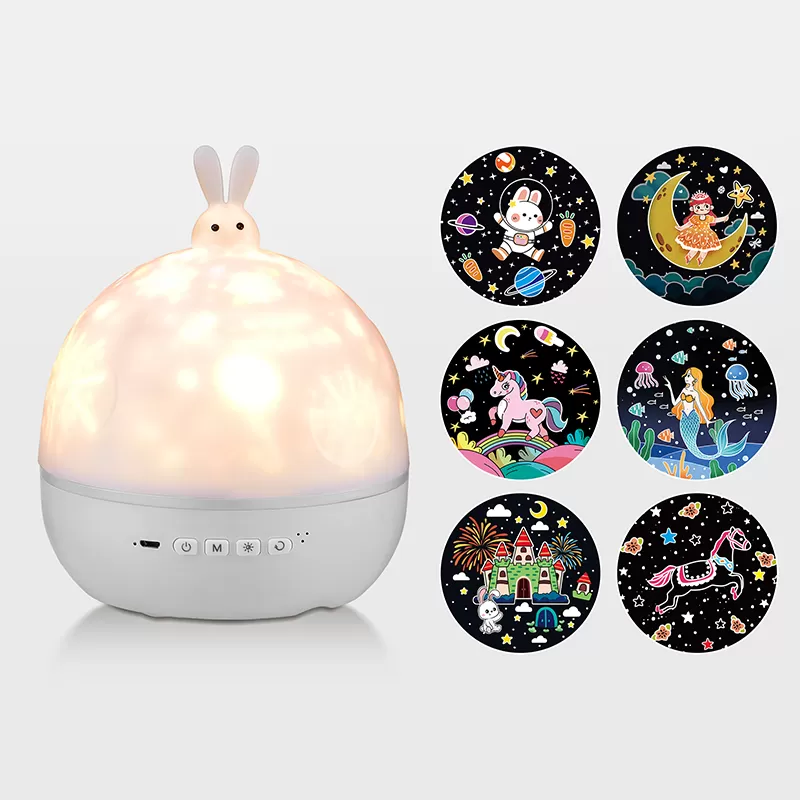
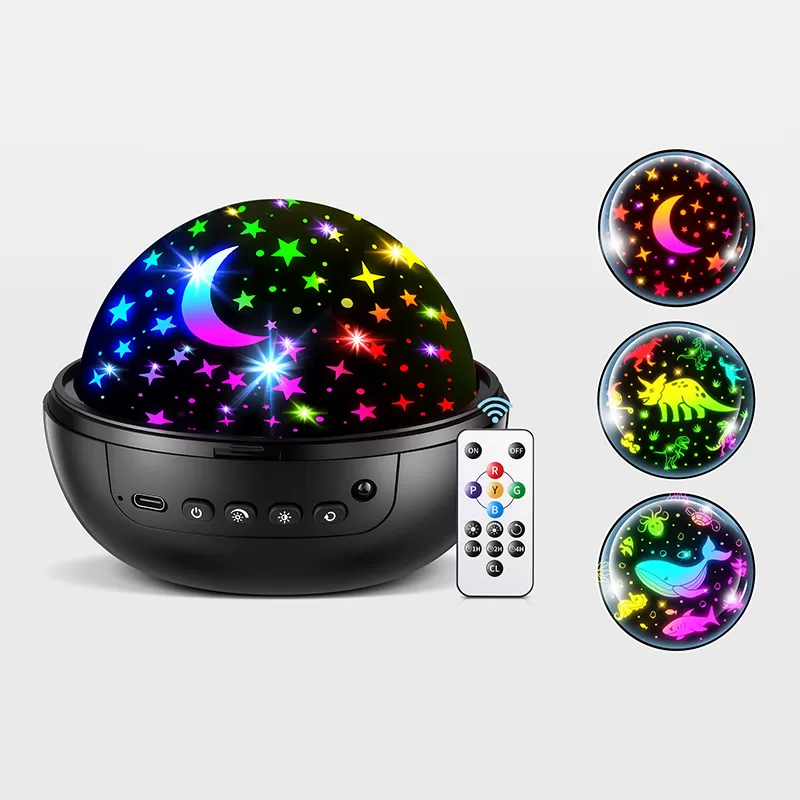
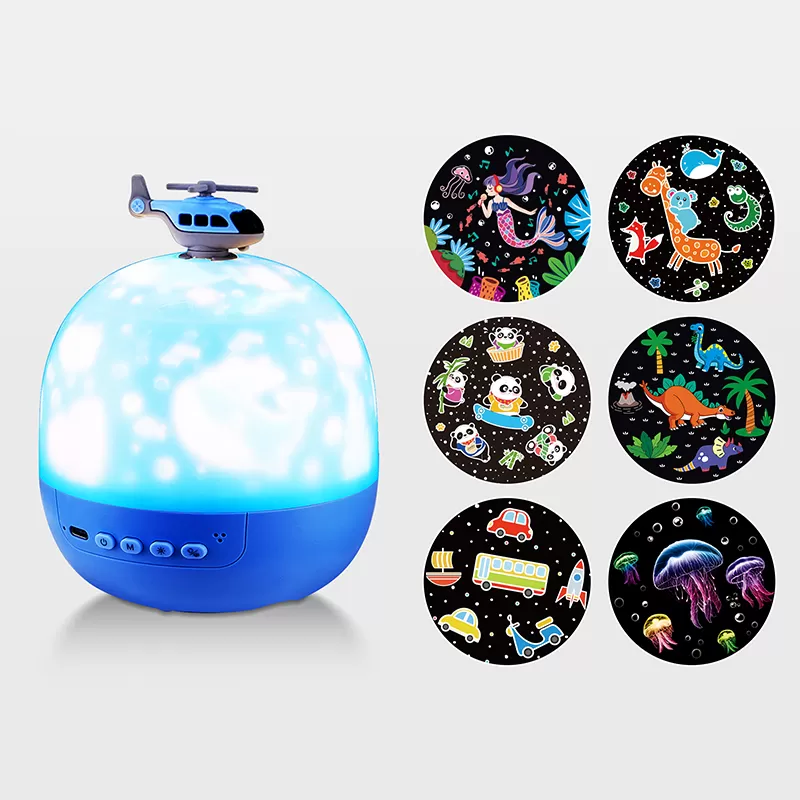
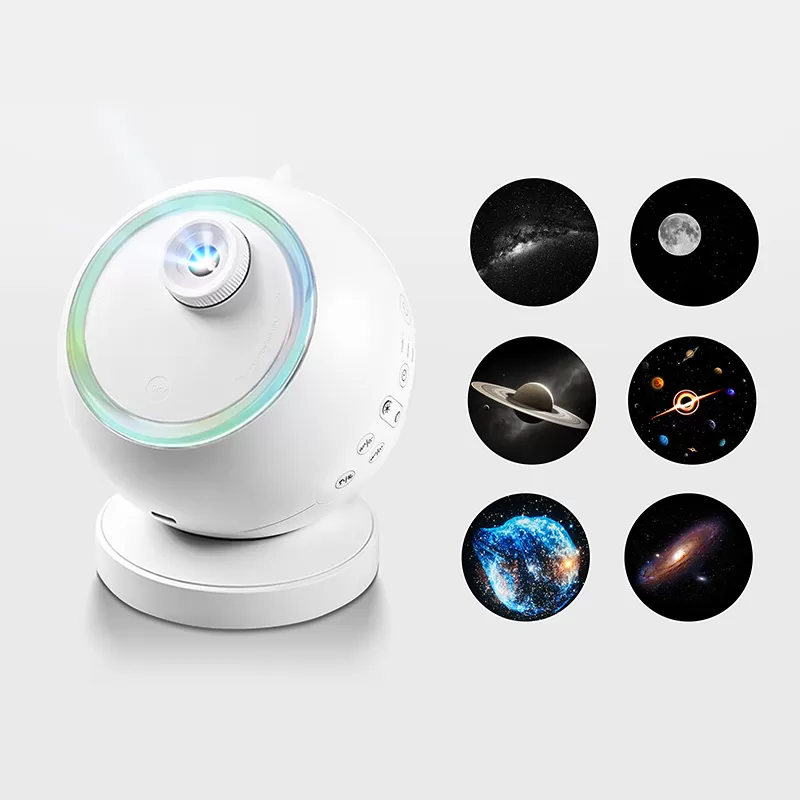
Projector night light: better for themed rooms, children's rooms, and experience-focused stays where visual atmosphere is the priority.
Many hotels use warm bedside lighting plus a white task lamp to cover both wellness and practical needs from a single room lighting program.
3. What is the ROI of sleep aid light wholesale for hotels?
ROI comes from higher perceived room value, better guest sleep experience, stronger wellness branding, improved review sentiment (particularly sleep-related mentions), possible gift-shop revenue from retail versions, and repeat booking from guests who associate the property with genuine rest. The amenity cost per room is modest; the review and loyalty impact is disproportionately larger.
4. Does a hotel need electrical renovation to add warm LED lamps?
No. Portable rechargeable LED lamps can be placed on bedside tables, desks, or family-room shelves without any rewiring or electrical work. For fixed installations, confirm outlet position, charging policy, and housekeeping recharge workflow. The rechargeable design is specifically advantageous for hotel use because it eliminates cord management and allows flexible placement.
5. What parameters should be provided for selection and quotation?
Room type and use case, order quantity, desired light color mode (warm/amber/red/white), dimming function (stepless or multi-level), timer requirement, battery capacity and runtime target, charging method, housing material preference, safety and compliance requirements (CE/FCC/RoHS), packaging format, logo and private-label requirements, and target budget per unit.
 English
 한국어
한국어 français
 Deutsch
 Español
 italiano
 русский
 português
 العربية
 Türkçe
 Polska